Jul
14
2026
Custodians: Protecting your personal health information

Custodians: Protecting your personal health information
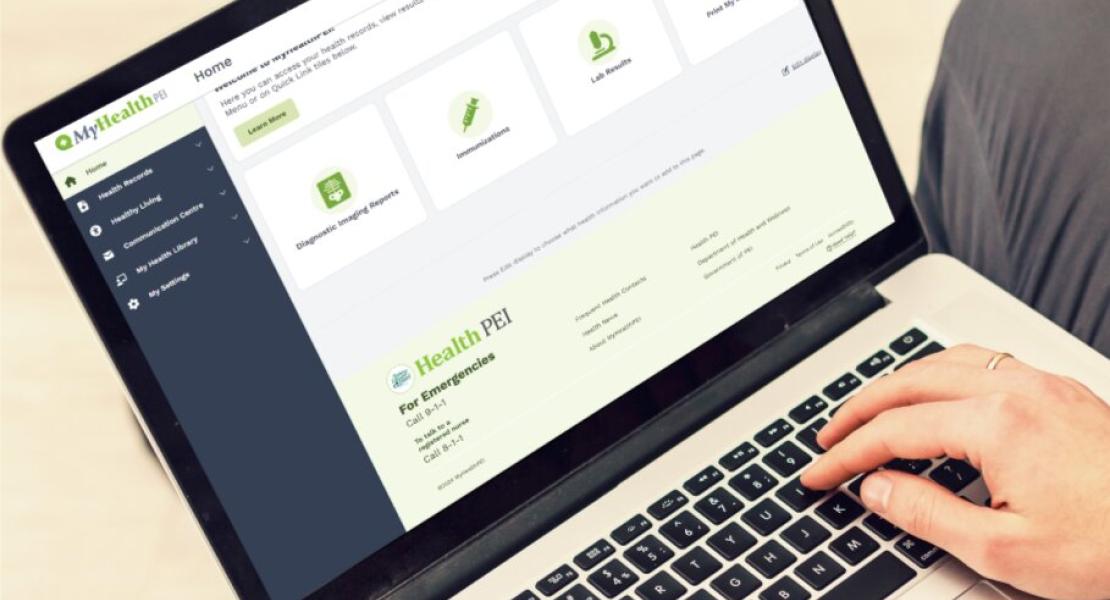
Today, more and more of our health care happens online.
 An initiative by the Government of Prince Edward Island to enhance the digital health literacy skills of residents.


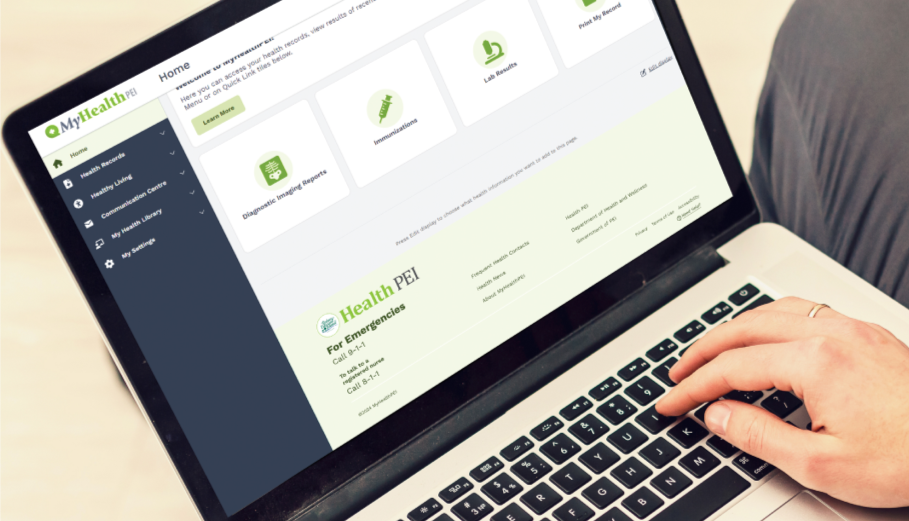
Today, more and more of our health care happens online.

If you're unsure which services and resources are available to you or don’t know where to start, United Way's 211 PEI database is here to help.

Your health data isn’t just numbers—it’s a tool used to support care delivery.

Consent—giving permission for something to happen—is an important part of collecting and sharing health data.
Knowledgeable consent is required by law and means you understand what’s happening to your personal health information and for what purposes, and you agree to it. If you’re unsure, speak up and ask questions. Good care starts with clear communication.
Here are two different types of consent that are used when it comes to your personal health data and information.

Have you ever read an online article or watched a video on YouTube, Facebook, or TikTok about a health-related topic, wondering if the advice given was legitimate? Perhaps it recommended the amount of protein to consume daily or a home remedy for a specific skin rash on your leg. Maybe you listened to a podcast questioning the importance of sunscreen, or a 30-second video showing a stretch that supposedly could relieve pain in your left hip.

The Prince Edward Island’s Health Information Act (HIA):